Authorised entities: born2trade (FSC) | Born2Trade Ltd (St Lucia)

Silver slumps 53% from $121, but industrial demand builds a structural floor
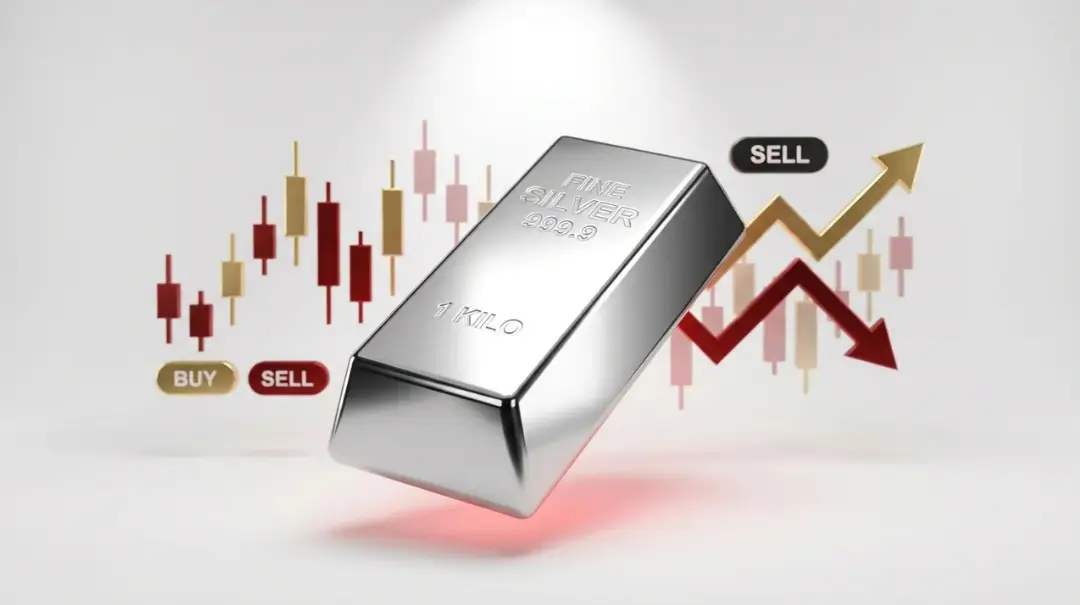
Silver has fallen to around $57 — more than 50% off its January record of $121. Most of that drop came from money flows, not from silver fundamentals. A strong dollar, rising US rate-hike bets, and investors selling metals to cover losses in tech stocks all pushed it lower.
What sets silver apart from gold is its dual identity. Silver is not only a safe-haven metal — it's also an industrial one, used heavily in solar panels, electric vehicles, and electronics. That demand keeps growing, and the world has consumed more silver than it produces for several consecutive years. This gives the price a structural floor that pure sentiment alone cannot erode.
Traders also watch the gold-silver ratio, which shows how many ounces of silver it takes to buy one ounce of gold. It now sits near 68 — a historically elevated level that has often signaled silver looks cheap relative to gold.
Silver is caught between two opposing forces. A strong dollar and a hawkish Fed weigh on it, while industrial demand and attractive valuation provide support. It's also more volatile than gold, meaning the moves tend to be larger in both directions.
Silver key levels:
Watching: the US dollar, Fed rate-hike expectations, and the gold-silver ratio.
Risk Disclaimer: All research and/or forecasts above reflect the author's personal opinion and cannot be treated as trading advice. Born2trade is not responsible for any trading results based on any information in this article. Trading Forex and CFDs carries a high level of risk to your capital. You may lose all of your invested funds. Forex and CFD trading may not be suitable for all investors. Please ensure that you fully understand the risks involved and, if necessary, seek independent advice.